


UX Research · Customer Support · Mobile App
Uber Eats
Support Research
How can we provide users with a more efficient customer support experience during the delivery process?
Role
UX Researcher
Method
30-Min Interviews
Participants
6 Users
Timeline
8 weeks
Client Overview
About Uber Eats
Uber Eats is an online food delivery service operating in multiple cities globally. It connects customers with local restaurants and food vendors, allowing them to order food via its mobile app or website — partnering with both large chains and independent restaurants.
The platform serves two primary user groups: customers, who browse menus, place orders, track deliveries, and rate experiences; and drivers, who receive delivery assignments, navigate routes, track earnings, and communicate with customers.
Platform
Mobile App & Website
User Groups
Customers & Drivers
Research Focus
Customer Support During Delivery
Project Statement

Central Research Question
"How can we provide users with a more efficient customer support experience during the delivery process?"

Research
Research Goals
What I Set Out to Learn
Three core objectives shaped the direction of every interview and informed how we structured our questions.
01
Understand how Uber Eats users look for and navigate support with their order.
02
Learn Uber Eats' current order support process from the user's perspective.
03
Understand potential security or personal barriers to having contact with Uber Eats drivers after an order has been delivered.
Research Approach
Methodology

Method
30-Minute Moderated Interviews
Virtual, one-on-one sessions

Participants
6 Individuals
Used Uber Eats support within the past year

Timing
8 weeks
Five consecutive days of interviews
Participants
Meet the Users
Six Uber Eats customers, ranging from daily orderers to occasional users, each with direct experience navigating the platform's support system.
N
Naomi
Since 2020

Twice a month
College student who has been using the Uber Eats app since 2020. Has faced challenges with orders on multiple occasions.
AJ
AJ
2 years
2–3× per week
High school student who uses Uber Eats regularly after school. One of the most frequent younger users in the study.
An
Andrene
Just over a year
Occasional
Mother of 2 and nurse practitioner. Balances a demanding schedule and relies on Uber Eats for convenience.
M
Marcel
Regular user
Daily
A regular customer who orders daily and desires smoother post-delivery communication with drivers.
S
Sahrae
Frequent user
3–4× per week
Frequent user who has experienced missing items and delayed deliveries — core pain points in this study.
Ma
Maria
Part-time worker
1–2× per month
Part-time worker who orders occasionally and seeks better post-delivery communication when issues arise.

Key Findings
Key Findings
What Users Told Me
Seven patterns emerged consistently across all six interviews, pointing to clear gaps in Uber Eats' current support experience.

Frequent Delivery Issues

Need for Post-Delivery Communication
Missing Items

Delayed Deliveries
Slow Chat Response

Varied Support Preferences
Frustration With Personalization of Chat Support

Insights
Research Insights
Three Core Insights
Synthesizing findings from all six interviews revealed three actionable insights that should guide Uber Eats' support redesign.
01
Enhancing post-delivery communication will improve user satisfaction and retention.
02
Reducing response times and improving the speed of issue resolution will address concerns more efficiently.
03
Offering more personalized support — such as live agent interactions — will provide a more empathetic experience.
01
Insight 01
Enhancing post-delivery communication will improve user satisfaction and retention.
Effective post-delivery communication plays a key role in user satisfaction and consistency. When users are unable to easily communicate with drivers after their orders, unresolved issues often lead to frustration and consideration of competing services.
Supporting Findings

Limited Post-Delivery Communication
Some users were frustrated by the lack of direct communication with drivers after delivery, making it difficult to resolve issues or clarify details about their order.
Demand for Better Support Options
Users expressed a need for more accessible communication channels to address post-delivery concerns, as current options felt inadequate for handling follow-up issues.
02
Insight 02
Reducing response times and improving the speed of issue resolution will address concerns more efficiently.
Faster response times and quicker issue resolution are essential for effectively addressing user concerns. Delays in support lead to frustration, while prompt assistance and live agents help resolve problems more efficiently.
Supporting Findings

Slow Response Times
Some users highlighted frustration with slow response times from customer support, particularly when trying to resolve issues with missing items and/or delayed deliveries.
Need for Faster Resolutions
There is a clear need for quicker resolution of problems, especially with delivery and missing items, to improve the overall experience.
03
Insight 03
Offering more personalized support — such as live agent interactions — will provide a more empathetic experience.
Providing personalized support, such as live agent interactions, ensures users receive tailored solutions and a more empathetic experience, fostering stronger connections with the service.
Supporting Findings

Preference for Human Interaction
Participants prefer communicating with live agents over automated systems, as they feel their issues are better understood and addressed in a more personal, responsive manner.
Need for Customized Support
Automated solutions often fail to resolve specific issues, leading to frustration. Users value support that is responsive to their unique situations and able to offer practical, personalized resolutions.
Recommendations
Design Opportunities

Post-Delivery Communication
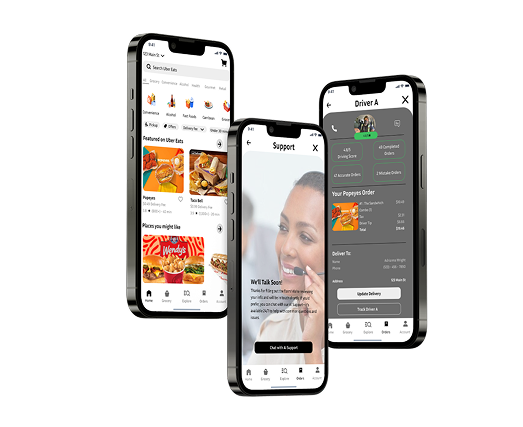
Introduce a secure, time-limited messaging window that allows customers to contact drivers after delivery to resolve order discrepancies.

Faster Issue Resolution
Redesign the support chat flow to prioritize quick triage and resolution — reducing back-and-forth with automated systems that fail to address specific issues.

Live Agent Access
Offer a clear pathway to a live human agent for post-delivery issues, especially for missing items and delivery disputes, to provide empathetic, personalized support.
Explore More Work
View other case studies or reach out to discuss this research in depth.



App Mockup
UX Research · Customer Support · Mobile App
Uber Eats
Support Research
How can we provide users with a more efficient customer support experience during the delivery process?
Role
UX Researcher
Method
30-Min Interviews
Participants
6 Users
Timeline
8 weeks
Client Overview
About Uber Eats
Uber Eats is an online food delivery service operating in multiple cities globally. It connects customers with local restaurants and food vendors, allowing them to order food via its mobile app or website — partnering with both large chains and independent restaurants.
The platform serves two primary user groups: customers, who browse menus, place orders, track deliveries, and rate experiences; and drivers, who receive delivery assignments, navigate routes, track earnings, and communicate with customers.
Platform
Mobile App & Website
User Groups
Customers & Drivers
Research Focus
Customer Support During Delivery
Project Statement

Central Research Question
"How can we provide users with a more efficient customer support experience during the delivery process?"

Research
Research Goals
What I Set Out to Learn
Three core objectives shaped the direction of every interview and informed how we structured our questions.
01
Understand how Uber Eats users look for and navigate support with their order.
02
Learn Uber Eats' current order support process from the user's perspective.
03
Understand potential security or personal barriers to having contact with Uber Eats drivers after an order has been delivered.
Research Approach
Methodology

Method
30-Minute Moderated Interviews
Virtual, one-on-one sessions

Participants
6 Individuals
Used Uber Eats support within the past year

Timing
8 weeks
Five consecutive days of interviews
Participants
Meet the Users
Six Uber Eats customers, ranging from daily orderers to occasional users, each with direct experience navigating the platform's support system.
N
Naomi
Since 2020

Twice a month
College student who has been using the Uber Eats app since 2020. Has faced challenges with orders on multiple occasions.
AJ
AJ
2 years
2–3× per week
High school student who uses Uber Eats regularly after school. One of the most frequent younger users in the study.
An
Andrene
Just over a year
Occasional
Mother of 2 and nurse practitioner. Balances a demanding schedule and relies on Uber Eats for convenience.
M
Marcel
Regular user
Daily
A regular customer who orders daily and desires smoother post-delivery communication with drivers.
S
Sahrae
Frequent user
3–4× per week
Frequent user who has experienced missing items and delayed deliveries — core pain points in this study.
Ma
1–2× per month
Part-time worker who orders occasionally and seeks better post-delivery communication when issues arise.

Key Findings
Key Findings
What Users Told Us
Seven patterns emerged consistently across all six interviews, pointing to clear gaps in Uber Eats' current support experience.

Frequent Delivery Issues

Need for Post-Delivery Communication
Missing Items

Delayed Deliveries
Slow Chat Response

Varied Support Preferences
Frustration With Personalization of Chat Support

Insights
Research Insights
Three Core Insights
Synthesizing findings from all six interviews revealed three actionable insights that should guide Uber Eats' support redesign.
01
Enhancing post-delivery communication will improve user satisfaction and retention.
02
Reducing response times and improving the speed of issue resolution will address concerns more efficiently.
03
Offering more personalized support — such as live agent interactions — will provide a more empathetic experience.
01
Insight 01
Enhancing post-delivery communication will improve user satisfaction and retention.
Effective post-delivery communication plays a key role in user satisfaction and consistency. When users are unable to easily communicate with drivers after their orders, unresolved issues often lead to frustration and consideration of competing services.
Supporting Findings

Limited Post-Delivery Communication
Some users were frustrated by the lack of direct communication with drivers after delivery, making it difficult to resolve issues or clarify details about their order.
Demand for Better Support Options
Users expressed a need for more accessible communication channels to address post-delivery concerns, as current options felt inadequate for handling follow-up issues.
02
Insight 02
Reducing response times and improving the speed of issue resolution will address concerns more efficiently.
Faster response times and quicker issue resolution are essential for effectively addressing user concerns. Delays in support lead to frustration, while prompt assistance and live agents help resolve problems more efficiently.
Supporting Findings

Slow Response Times
Some users highlighted frustration with slow response times from customer support, particularly when trying to resolve issues with missing items and/or delayed deliveries.
Need for Faster Resolutions
There is a clear need for quicker resolution of problems, especially with delivery and missing items, to improve the overall experience.
03
Insight 03
Offering more personalized support — such as live agent interactions — will provide a more empathetic experience.
Providing personalized support, such as live agent interactions, ensures users receive tailored solutions and a more empathetic experience, fostering stronger connections with the service.
Supporting Findings

Preference for Human Interaction
Participants prefer communicating with live agents over automated systems, as they feel their issues are better understood and addressed in a more personal, responsive manner.
Need for Customized Support
Automated solutions often fail to resolve specific issues, leading to frustration. Users value support that is responsive to their unique situations and able to offer practical, personalized resolutions.
Recommendations
Design Opportunities

Post-Delivery Communication
Introduce a secure, time-limited messaging window that allows customers to contact drivers after delivery to resolve order discrepancies.

Faster Issue Resolution
Redesign the support chat flow to prioritize quick triage and resolution — reducing back-and-forth with automated systems that fail to address specific issues.

Live Agent Access
Offer a clear pathway to a live human agent for post-delivery issues, especially for missing items and delivery disputes, to provide empathetic, personalized support.
Explore More Work
View other case studies or reach out to discuss this research in depth.
